Rummy FAQ: Does a Bigger Draw Always Mean a Better Draw?
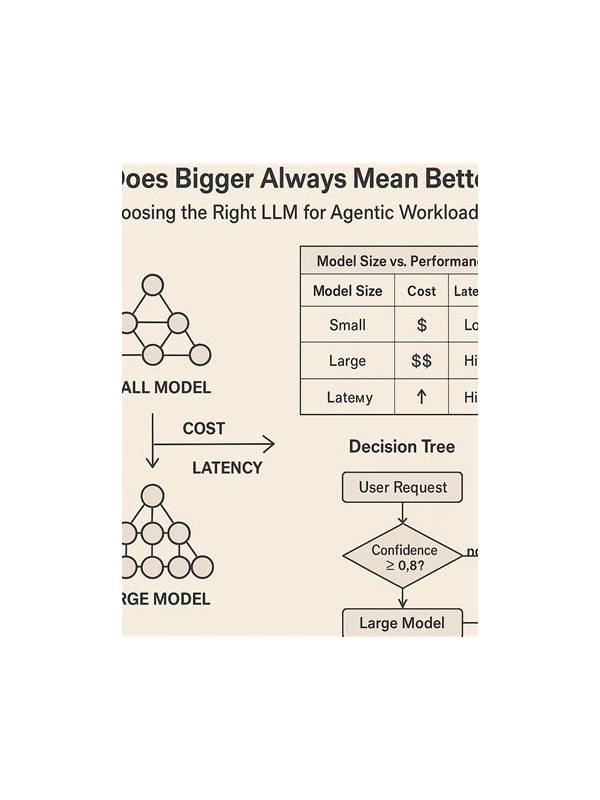
A draw that seems to help several arrangements is not automatically better than a draw that completes one strong requirement. Bigger can mean more theoretical combinations, but those combinations may be weak, overlapping, or too slow to matter. Evaluate a draw by what it does to the complete hand rather than by how many ideas it appears to support.
Suppose one card completes a required pure sequence while another card could join three speculative pairs. The first may be stronger because it converts an uncertain need into a secure group. The second preserves options, but leaves the hand unresolved. Flexibility has value only when the options are realistic and do not conflict.
Compare certainty first. Does the draw finish a valid group, or merely add a card that still needs help? Compare reach next. How many useful cards can improve the resulting hand later? Finally compare cost. What must be discarded, and what structure is lost? A small-looking draw can win if it removes a high-risk card without creating a new problem.
Timing matters. Early in a round, a broad draw may be attractive because there is room to wait. Late in a round, it may be too slow. Rules matter too: point penalties, declaration requirements, and exposed-group values can change the best choice. Use the table’s actual scoring system rather than a general slogan.
Avoid counting overlapping outs twice. If two plans need the same rank, that rank is one useful outcome. A card that improves a group but creates an awkward remainder should not receive full credit. Write the post-draw hand as groups and loose cards, then count unresolved needs again. This reveals whether the apparent improvement is real.
A good draw makes the next decision easier. It completes a group, reduces loose cards, or leaves a clear discard ladder. A bad big draw creates many stories but no direction. When comparing choices, prefer the one that improves hand quality, future reach, and clarity together. +If you want a numerical exercise, give a completed group a high score, a broad candidate a middle score, and an exact gap a low score, then subtract a cost for each loose high card. The numbers are not a prediction. They simply force you to compare the same features each time and expose when enthusiasm is doing the counting.
Related Post
Rummy Table Noise: Filter Distractions From Decision-Relevant Signals
Separating useful table information from noise helps players stay observant without becoming reactive. [...]
Rummy Safety: Check Privacy Before Sharing a Problem Screenshot
A privacy check before sharing a troubleshooting screenshot can prevent account, payment, and personal details [...]