Rummy Comparison: Point Risk and Structure Risk Rummy Comparison: Point Risk and Structure Risk
Point risk concerns the value of loose cards, while structure risk concerns the damage caused by breaking useful connections. [...]
Point risk concerns the value of loose cards, while structure risk concerns the damage caused by breaking useful connections. [...]
A short private sentence can slow impulsive discards and confirm the job of the card you plan to release. [...]
A hand state is a short description of your current structure, commitments, and available recovery options. [...]
Recovery cost measures how difficult it would be to rebuild your hand after releasing a candidate card. [...]
Sleep loss can reduce attention and self-control, so a short safety check should come before a competitive rummy session. [...]

Comparing a single dependable backup route with several weak possibilities can improve late-hand decisions. [...]
Assigning a temporary job to each card makes it easier to spot duplicates, gaps, and cards that are ready to release. [...]

Route dependency describes how many specific cards or decisions a proposed rummy plan needs before it can succeed. [...]
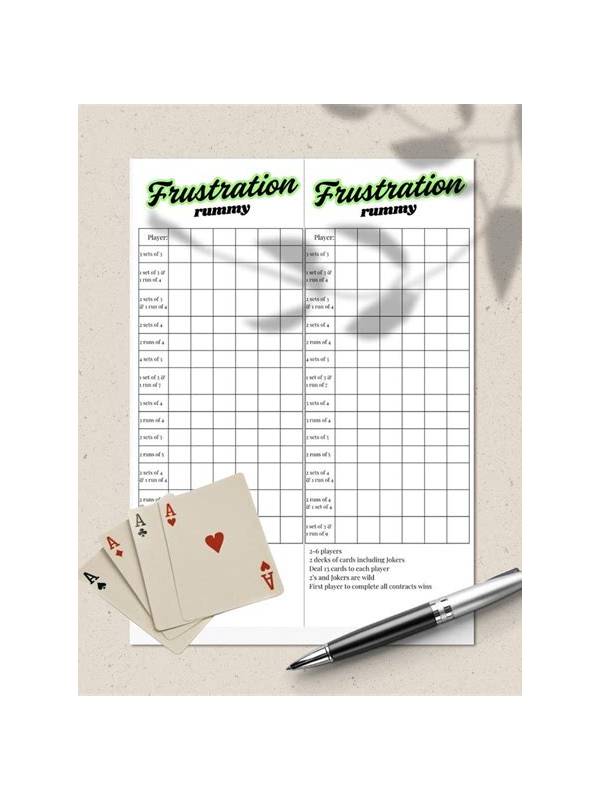
A simple two-column method helps players compare cards they can use now with cards that may improve later. [...]
A concise plan keeps each draw connected to a purpose while leaving room to update when the hand changes. [...]