
Rummy FAQ: Is a Flexible Card Always a Strong Card? Rummy FAQ: Is a Flexible Card Always a Strong Card?
Flexibility is useful only when a card’s possible connections support a realistic plan within the available time. [...]
Flexibility is useful only when a card’s possible connections support a realistic plan within the available time. [...]
A small second-look mark prevents uncertain cards from disappearing into a tidy but unexamined hand. [...]

A repeatable draw-to-discard routine helps players process new information before choosing what to release. [...]
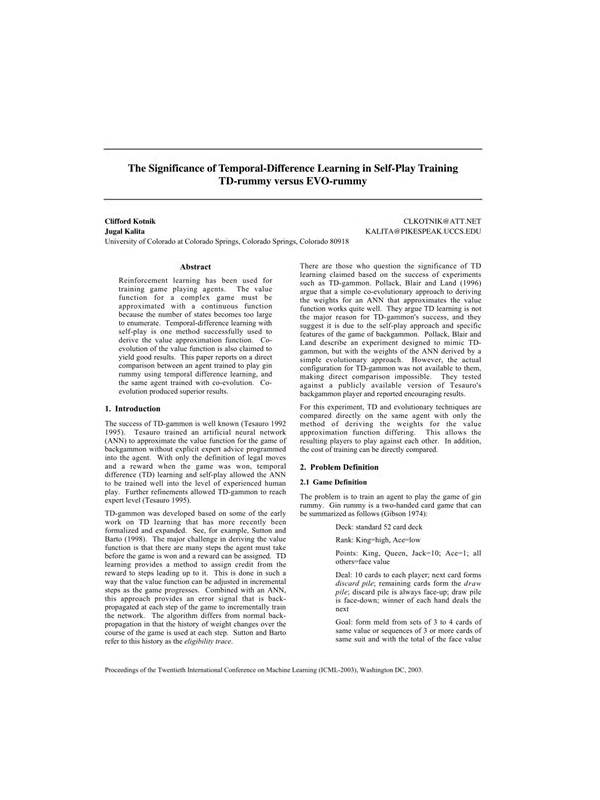
Comparing outcome-based review with decision-based review shows why a loss can still contain useful progress. [...]
A consistent arrangement improves visibility and reduces mistakes even though it does not change the cards themselves. [...]

A three-layer review separates secure groups, developing routes, and costly leftovers so the next discard becomes clearer. [...]
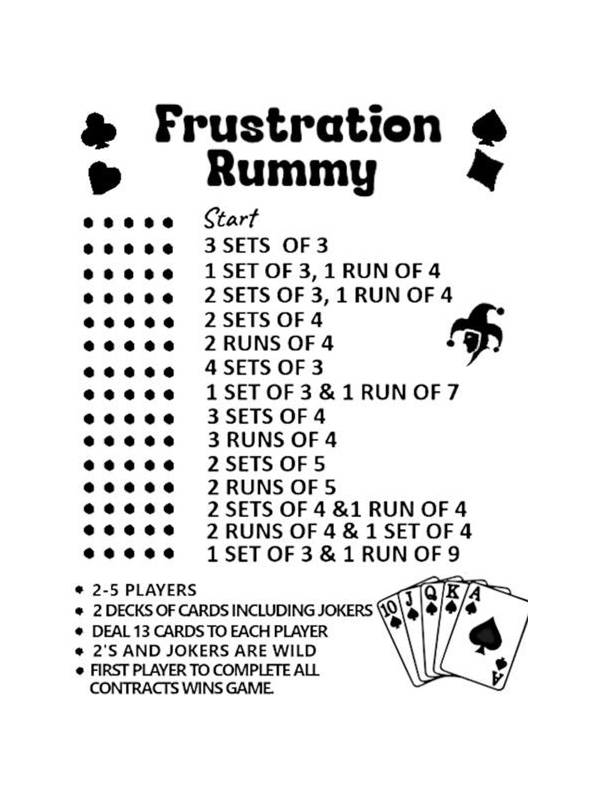
Comparing two possible discards trains you to weigh structure, points, and opponent information together. [...]
A recent discard can offer a clue about a player’s hand, but one card alone is weak evidence and should not dictate every choice. [...]

A preselected stop signal makes it easier to end a rummy session before tiredness or frustration changes your decisions. [...]

Short and long sequences offer different kinds of flexibility, so compare completion speed with the value of keeping cards connected. [...]