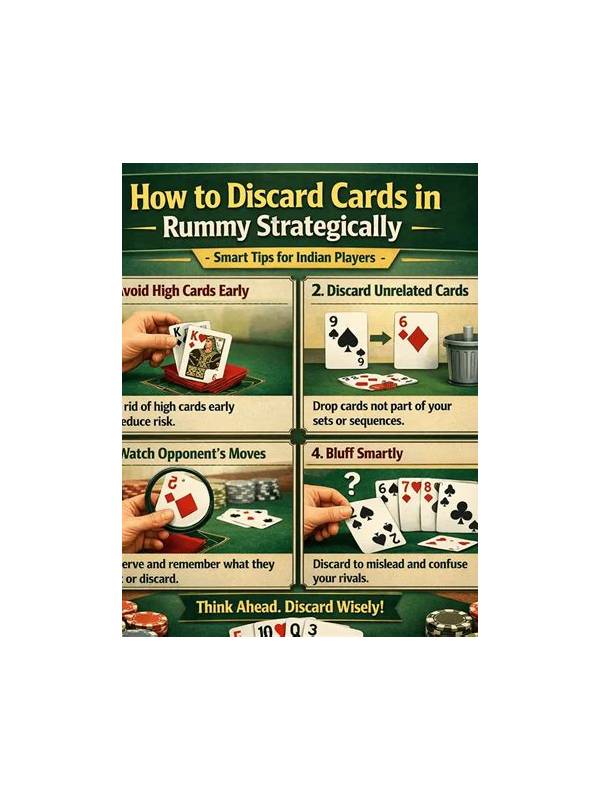
Rummy Comparison: Keep the Same Sort or Reorganize Often

Card organization affects decisions even when it does not change the cards themselves. Some players keep a stable sort throughout a hand, while others reorganize after nearly every draw. Both approaches can work, but each has a different risk.
A stable sort reduces movement and makes changes easy to notice. If cards remain grouped by suit, rank, or current meld, a new card stands out. This can help you remember the original shape of the hand and avoid accidentally breaking a reliable group. Stable layouts are especially useful when the interface is small or the table moves quickly.
The weakness is that a stable sort can preserve an outdated story. Cards may remain beside one another because they once looked connected, even after the required route disappears. You may also miss a set possibility if everything is arranged by suit. A stable layout needs deliberate review so convenience does not become attachment.
Frequent reorganization makes the current plan visible. You can group completed melds, partial sequences, pairs, and loose cards according to their present roles. This often exposes conflicts: two groups may need the same connector, or a high card may be carrying no useful job. Reorganization is valuable after a major draw or when the hand changes direction.
Its weakness is cognitive noise. Moving cards repeatedly can create the impression of progress without improving the hand. It may also make it harder to remember which plan was abandoned and why. If you reorganize, attach a short label to the new layout, such as “sequence first” or “protect pair, test connector.”
A practical compromise is a stable default with scheduled resets. Keep a familiar arrangement for ordinary turns. Rebuild the layout after the opening scan, after a completed group appears, after a needed card is lost, and before the final discard. At each reset, sort by both structure and risk rather than by appearance alone.
Choose the method that answers the next decision fastest. Organization is a tool, not a strategy. If the layout makes roles clear and highlights what changed, it is helping. If it merely makes the hand look neat, change the method or add a written reason for the arrangement. Do not let a layout substitute for rule knowledge. A tidy group may still be invalid under the format, and automatic sorting may optimize appearance rather than strategy. Confirm legality before acting, especially near a declaration. If you use an automatic sort, verify the result manually after each meaningful draw. A tool can group matching suits while hiding which cards are already committed. Your eyes still need to check legality, competition, and penalty before the next action.
Related Post
Rummy Practice Rotation: Train One Skill Across Different Hand Shapes
Rotating the same skill through varied starting hands helps prevent practice from becoming tied to [...]
Rummy FAQ: Should You Keep a Card That Blocks Two Discards?
A blocking card deserves review when it prevents two releases, but its value depends on [...]