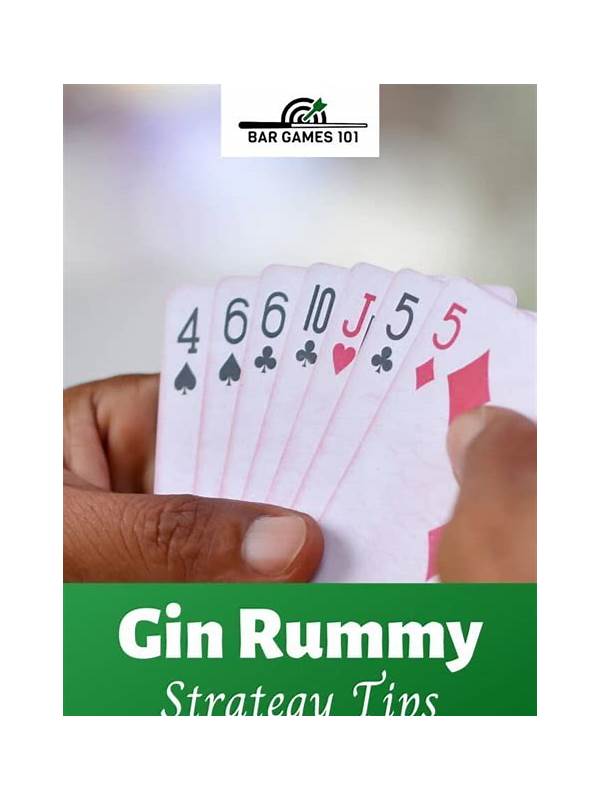
Rummy FAQ: How Should You Handle a Repeated Rank?
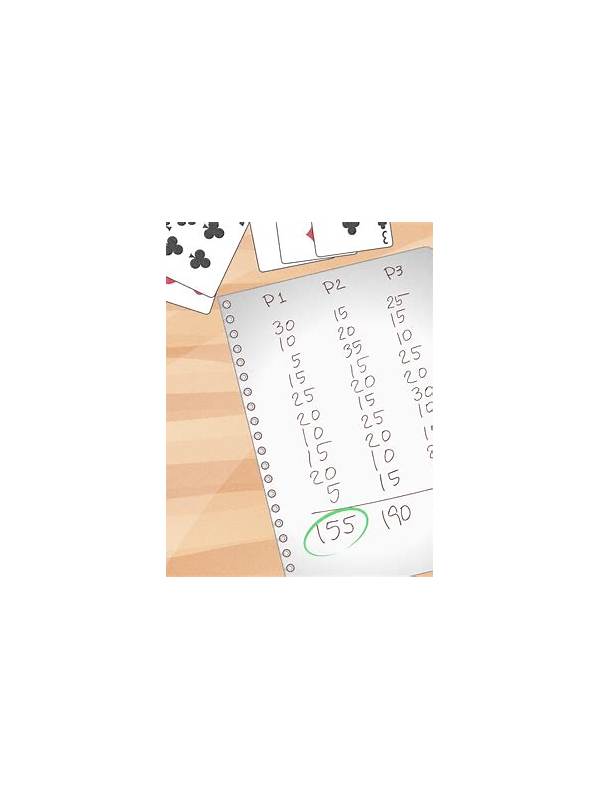
Is a repeated rank automatically valuable? No. Two cards of the same rank may become a set, but they can also be a pair that consumes space without a practical completion route. Judge them with the rest of the hand.
What should you check first? Check the suits and neighboring ranks. If one repeated card also connects naturally to a sequence, it may have more than one job. For example, two cards of the same rank in different suits can support a set, while one may also sit beside a card in its suit. That flexibility can be useful early in a hand.
When does a repeated rank become a liability? It becomes a liability when it blocks better groups, carries high points, or depends on several exact cards. A pair of low cards may be affordable to hold for a little longer, but affordability does not make the route likely. A high pair deserves a more urgent review if it has no supporting neighbors.
Should you always keep both cards? Not necessarily. Compare keeping both with releasing one. Keeping both preserves the set route but may leave the hand crowded. Releasing one can create room for a new connection, especially when the remaining card has strong neighbors. The choice depends on the rest of the hand and the variant’s scoring rules.
How can the open pile help? A repeated rank in the open pile provides information, but it is not proof that the remaining suits are unavailable or that another player is building a set. Treat it as one signal. If taking that card improves your hand in more than one way, it may be worth considering. If it merely confirms a narrow hope, remain cautious.
What is a good review question? Ask, “If this pair never becomes a set, what will I do with it?” A credible answer might be that one card joins a sequence or that both are low-cost temporary holders. If the answer is simply “I will wait,” set a time or draw limit for the plan.
Repeated ranks are neither automatic keepers nor automatic discards. Their value comes from the routes they create, the risk they carry, and the alternatives available in the current hand.
Remember that table rules can change the practical value of a repeated rank. Some formats use different hand sizes, scoring conventions, or joker rules. Check the active rules before applying a familiar shortcut. If the interface uses an unfamiliar label, pause and confirm what it means through the official help information. A sound structural idea still needs to fit the variant being played.
Related Post
Rummy Guide: Use a Three-Question Route Audit
A short route audit tests whether a promising group is practical, flexible, and worth its [...]
Rummy Comparison: Open-Ended Draws Versus Inside Draws
Comparing open-ended and inside draws helps players judge flexibility, timing, and carrying cost together. [...]