Rummy Guide: Read the Discard Pile Without Chasing It
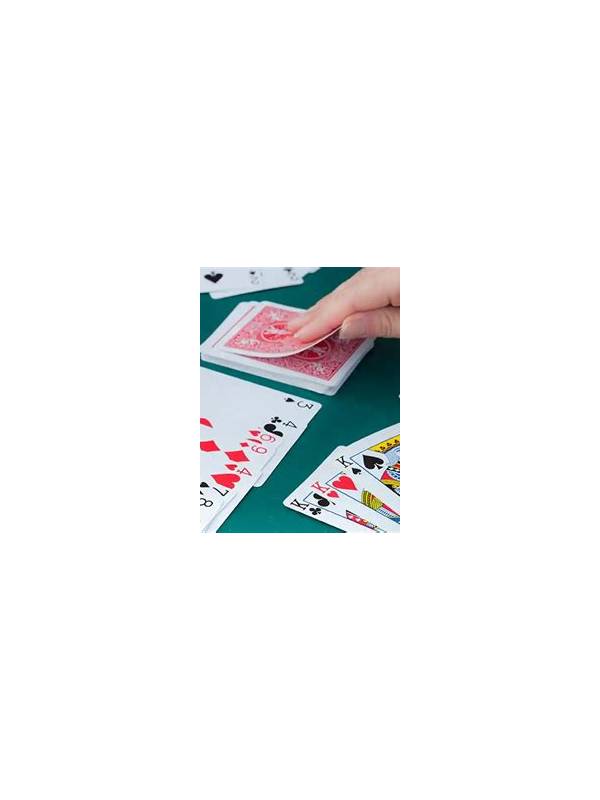
This guide also encourages a short pause between noticing a card and acting on it.
The discard pile is useful in rummy because it records choices, but it can also tempt you into chasing cards that no longer fit your plan. A disciplined player reads it for evidence rather than treating every visible card as an invitation. This guide presents a simple way to observe discards, update your hand, and decide when to ignore an attractive card.
Start by noting the most recent few discards, not the entire pile. Recent cards are easier to connect with the visible flow of the hand, while older cards may have become irrelevant. Ask what each discard tells you: was it a high card, a duplicate, or a card that failed to support a sequence? You cannot know the other player’s exact plan, so treat the pile as a set of clues, not proof.
Next, compare a discard with your existing groups. A card from the pile deserves attention only if it improves a realistic combination. For example, a seven may look helpful, but it is valuable only when you hold nearby cards of the same suit or a pair that can become a set. Write down the cards you would need to complete the idea. If that list is long, the apparent opportunity is probably weak.
Avoid changing your whole hand for one visible card. Before picking it up, identify the card you would discard and the group you would weaken. If taking the card leaves several unrelated cards behind, you are paying a high flexibility cost. Drawing from the closed deck may be better because it preserves uncertainty and keeps opponents from learning which card you wanted.
The discard pile can also help you avoid false hopes. When several cards around a possible sequence have already appeared, the remaining draw is narrower than it looks. That does not make completion impossible, but it should lower the amount of time you are willing to invest. Set a decision limit: if the needed card has not appeared after a few turns, redirect your attention to a broader group.
Finally, remember that your own discards become information for others. Do not keep switching between plans simply to make your choices look mysterious. A sound hand structure matters more than pretending to conceal every intention. Read the pile, test each card against a concrete improvement, and let the strength of your groups—not the excitement of a visible card—guide the decision.
Related Post
Rummy FAQ: Can You Improve by Watching Without Playing?
Watching rummy can build observation skills when you use an active note method instead of [...]
Rummy Review Notes: How to Learn from a Finished Hand
A simple post-game review method for turning completed rummy hands into useful lessons. [...]