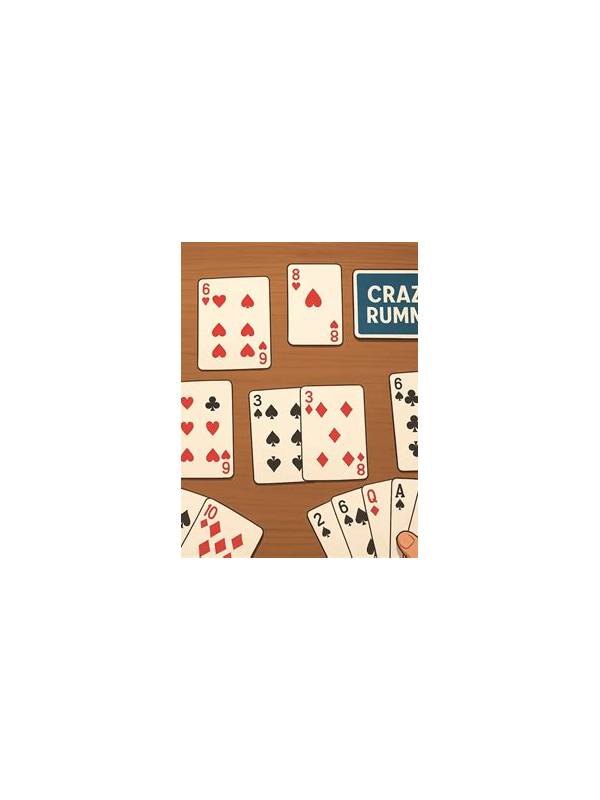
Rummy Tips: Rank Cards by Flexibility After Each Draw
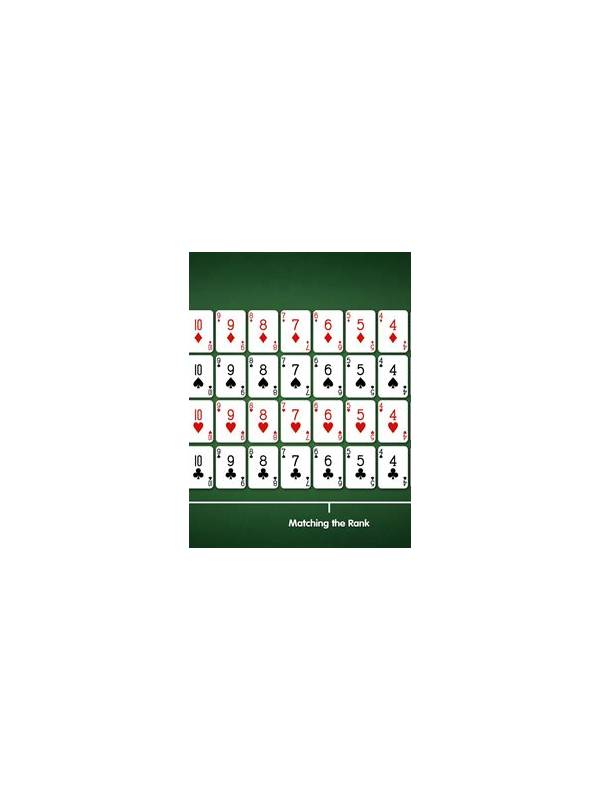
A card’s value is not fixed throughout a hand. A connector may become less useful after its neighbors are discarded, while an isolated card may gain a second route after a new draw. Re-ranking flexibility after each draw is a practical way to keep the hand map current.
The record is for learning, not for proving that a previous guess was correct.
Use three categories: multi-route, single-route, and no-route. A multi-route card can support more than one legal group. A single-route card has one credible job. A no-route card currently has no defined role. These labels are temporary descriptions, not permanent judgments.
After drawing, update the categories before choosing a discard. Ask whether the new card created or removed a route, whether a pair now competes with a sequence, and whether a joker changes the best use of a card. Then look at public information to see whether the route remains realistic.
Do not reward a card simply for being close to another rank. Flexibility includes the number of legal improvements, the cost of holding the card, and what it prevents you from doing elsewhere. Two adjacent high cards may be less useful than a lower connector with several safe outcomes.
Give each category a release rule. A no-route card may be released immediately unless it is unusually expensive to leave exposed in the discard pile. A single-route card may be kept until a defined checkpoint. A multi-route card may be retained while it genuinely protects alternatives, then released when the hand needs commitment.
This method turns vague impressions into a moving inventory. It does not predict which card will arrive next. It simply makes your current assumptions visible, so a new draw can update them instead of being forced into an outdated plan.
The categories should describe the current hand, not your hopes for it. A card that would be excellent if two specific draws arrived may still be single-route or even no-route today. Write down the condition that would move it upward. Conversely, do not downgrade a card just because it has not helped yet if it still supports several legal outcomes. Re-ranking also makes reviews more honest: you can see whether a decision protected a genuinely flexible card or merely prolonged a favorite idea. Use the same short inventory at the start and end of a turn. That creates a clear record of how new information changed the hand.
Related Post
Rummy How-To: Prepare a Simple End-of-Hand Checklist
A repeatable final review helps you confirm structures, rules, and the declaration step before ending [...]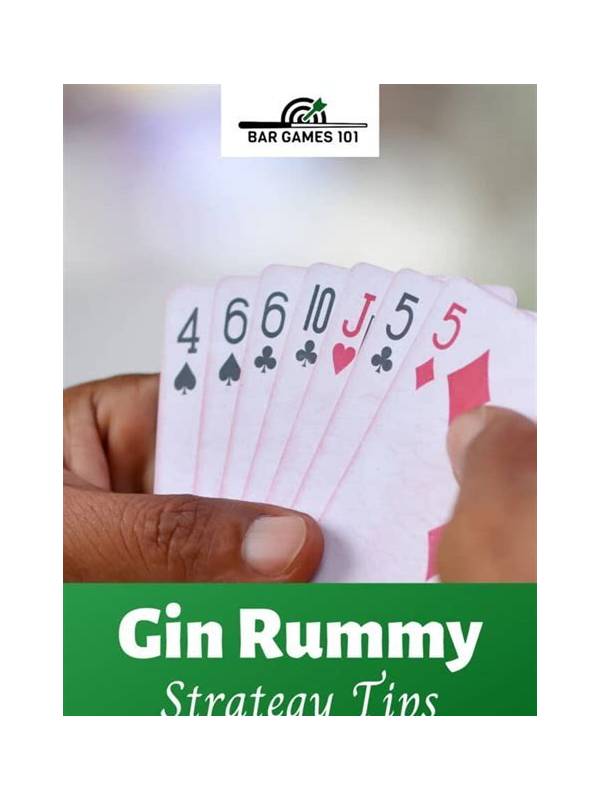
Rummy Strategy: Pivot After Drawing a Duplicate
A duplicate draw is a prompt to reassess group roles, not a reason to keep [...]