Rummy Tips: Use Turn Time to Improve Decision Quality

Fast rummy tables reward preparation, not frantic guessing. A player who uses every second to reconsider everything may still make poor decisions, while a player with a small routine can act quickly and consistently. Turn time is most useful when it is divided into a few questions that match the information available.
At the start of your turn, confirm the objective of the hand. Are you protecting a required sequence, improving a nearly complete route, or reducing penalty risk? This first question filters distractions. You do not need to evaluate every card equally when one requirement is clearly more important.
Second, compare the top two candidates for a draw or discard. For each candidate, ask what it completes, what it keeps flexible, and what risk it leaves behind. Avoid comparing five options in detail; many of them are only slightly different versions of the same idea. A focused comparison is faster and usually more accurate.
Third, verify the rule before declaring or committing a large change. Check that the required groups are legal, that a joker is being used within the format, and that no card is silently counted twice. This final pause is especially valuable when the interface makes a possible arrangement look complete.
If the clock is nearly finished, choose the move with the clearest reason and the lowest serious downside. Do not chase a perfect calculation after the useful information has already been considered. When the turn ends, note one fact for the next turn: the route you are protecting, the card you are releasing, or the uncertainty that needs review. A consistent routine turns limited time into structure and keeps pressure from dictating the play. Practice the routine in low-pressure hands so that it feels natural. You can even say the three questions silently while sorting physical cards: what is required, what are the best two choices, and is the arrangement legal? Familiarity reduces the mental load of time pressure. The goal is measured speed, where each action has a reason and no second is spent inventing panic.
Do not confuse speed with skipping verification. A quick check can be shorter than a long correction after an impulsive move. If the clock creates repeated stress, choose simpler decisions earlier in the turn and reserve the final seconds for legality. This habit distributes thinking across the turn and reduces the chance that a rush will erase the most important question.
Related Post
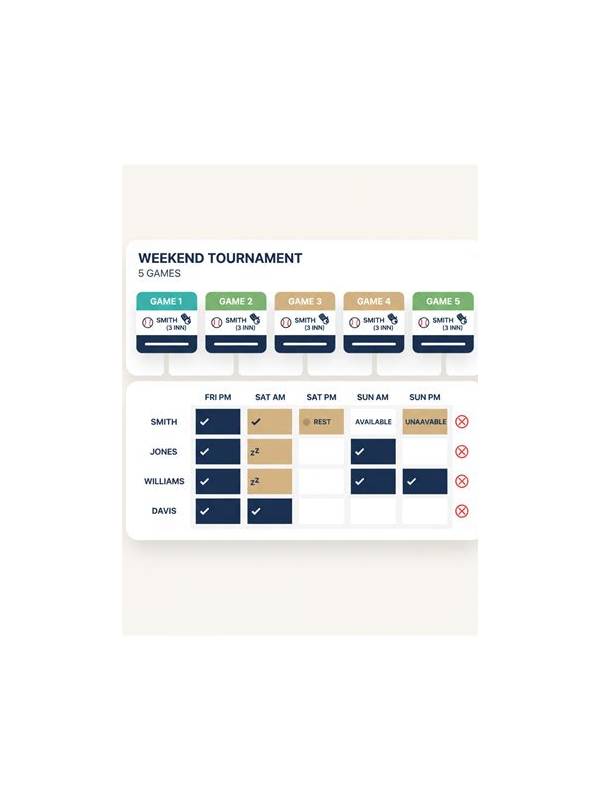
Rummy Tournament Schedule Planning for a Balanced Day
Rummy Tournament Schedule Planning for a Balanced Day offers practical guidance for clearer, safer, and [...]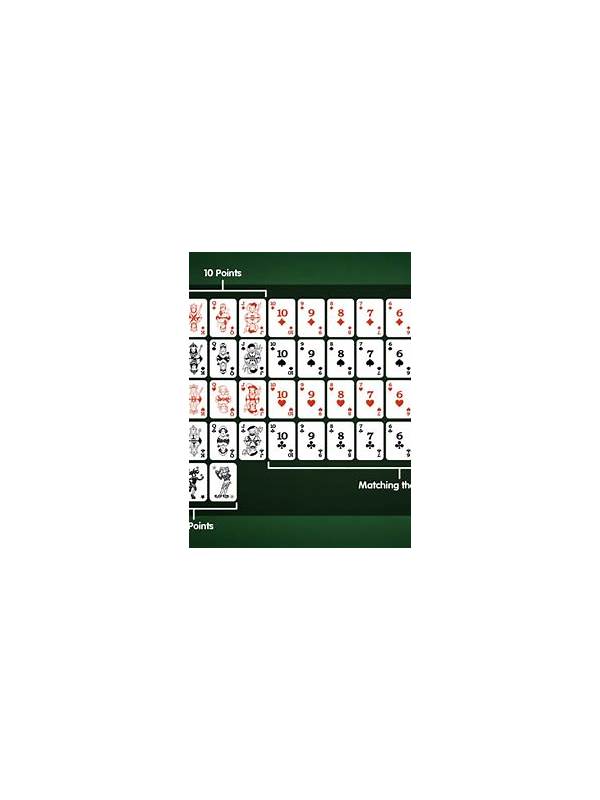
Rummy Card Value: Balance Points and Flexibility
A useful card-value review considers both penalty points and the chance of forming a valid [...]