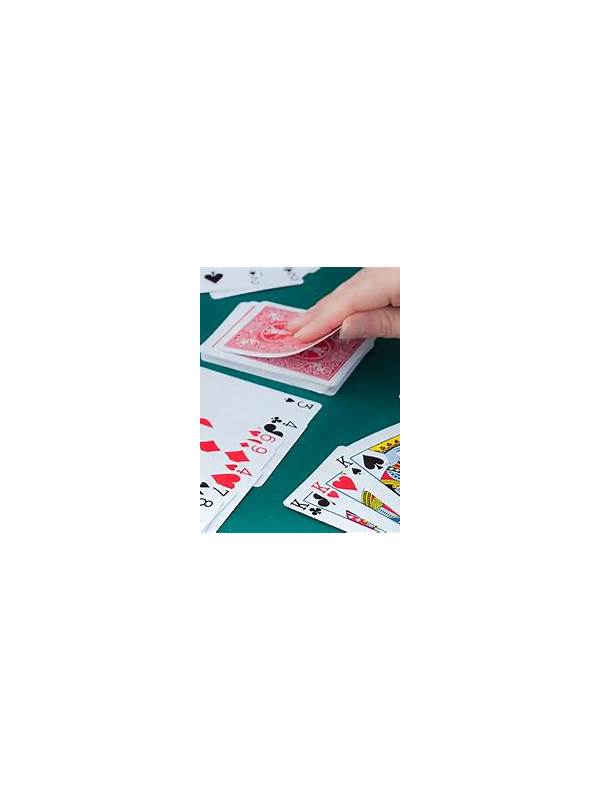
Rummy Comparison: Exact Odds and Practical Ranges
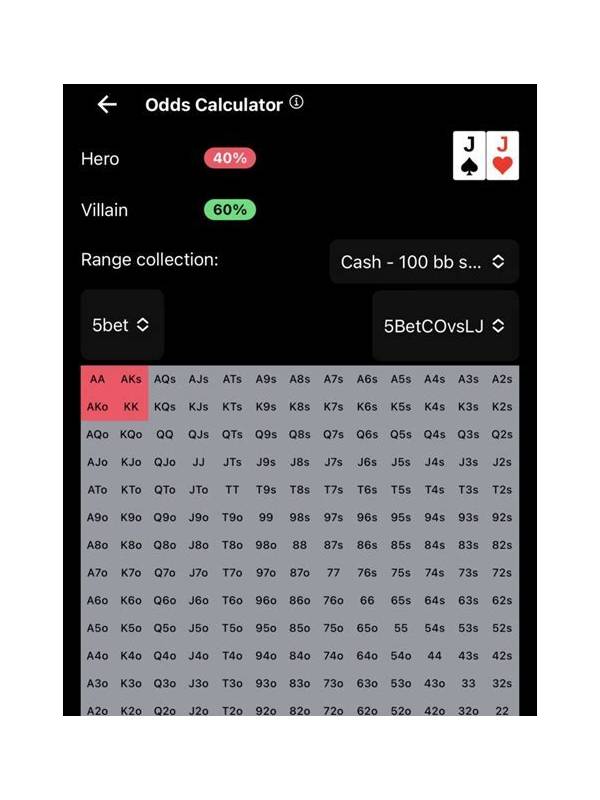
Exact odds can be useful when every relevant card is known and the rules are fixed. In ordinary play, however, many cards are hidden and the discard history may be incomplete. A practical range can then support a better decision than a precise-looking number built on weak assumptions.
An exact calculation asks how many unseen cards complete a route out of how many unseen cards remain. That can be informative in a small, well-defined practice exercise. It becomes less reliable when you do not know whether another player holds a needed card, when multiple routes overlap, or when the value of a miss differs between plans.
A practical range uses categories such as narrow, moderate, and broad. A narrow plan depends on one or two specific cards. A broad plan can improve through several ranks, suits, or group structures. You can also describe the consequence of a miss as low, medium, or high cost. These labels are not substitutes for rules; they are a way to combine uncertainty with hand quality.
For example, Plan A may have a slightly better chance of one exact completion but leave a high-point singleton after a miss. Plan B may have several moderate improvements and a clean fallback discard. A raw probability comparison could favor Plan A, while a range-and-cost comparison favors Plan B. The second view better matches the decision you must actually make.
Use numbers when they clarify rather than decorate. If you cannot explain the assumptions, use plain language and record what would change your assessment. After the hand, compare the forecast with the cards that appeared. The purpose is calibration, not a claim of certainty.
Good rummy reasoning accepts uncertainty without becoming vague. Ranges, deadlines, and miss costs help you move forward while keeping your expectations honest. Ranges can be written as a small table in your practice notes: plan, helpful cards, miss cost, and fallback. This makes assumptions visible. If the helpful-card list is short and the fallback is poor, label the plan narrow even if the imagined completion feels close.
Over time, compare forecasts across hands. The goal is to learn whether you routinely overrate pairs, ignore point cost, or fail to notice broad alternatives. Better calibration improves decisions without requiring you to predict every hidden card. The range method is particularly helpful when several opponents make the hidden-card picture uncertain. You can still compare your own routes and their costs even when exact availability cannot be known. That is a practical form of disciplined uncertainty.
Avoid reporting a range as a promise. It describes a current estimate and should be revised when the visible evidence changes.
Related Post
Rummy FAQ: How Do You Compare Flexible and Safe Cards?
Learn how flexibility and safety differ when you are deciding which rummy card to keep. [...]
Rummy Comparison: Repair Cost Versus Completion Distance
Completion distance shows how close a group is, while repair cost shows how much the [...]