Rummy FAQ: When Should You Break a Small Pair? Rummy FAQ: When Should You Break a Small Pair?
Breaking a small pair can be correct when the pair has little future value and another route solves a more urgent need. [...]
Breaking a small pair can be correct when the pair has little future value and another route solves a more urgent need. [...]
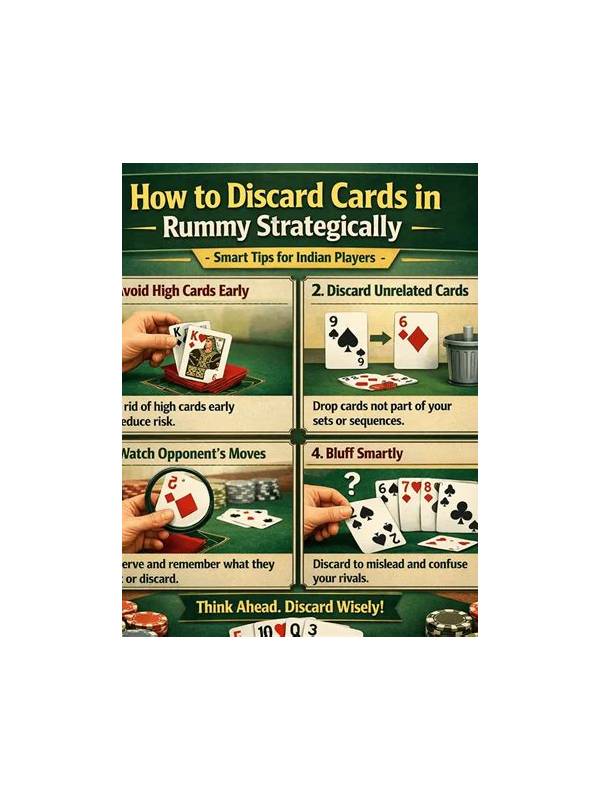
An opponent’s discard is useful evidence, but only when interpreted as a clue rather than a certainty. [...]
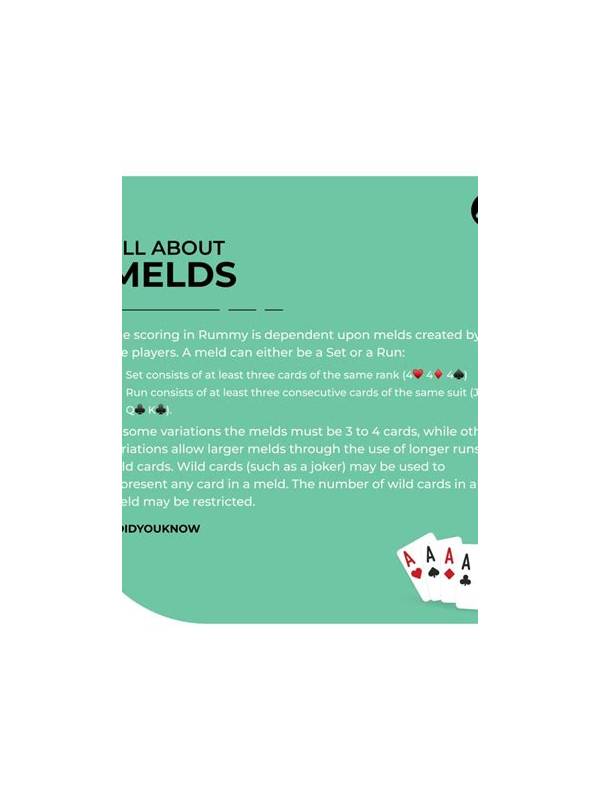
A simple classification system helps players protect the groups that make a legal declaration possible. [...]
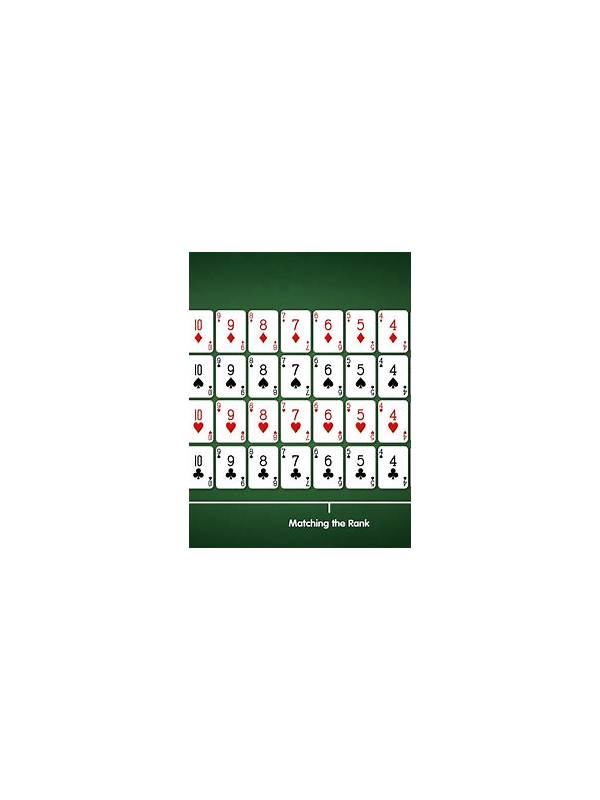
Counting unresolved tasks offers a practical way to compare rummy hand shapes beyond simple group count. [...]

A planned pause after a frustrating rummy hand protects decision quality and spending boundaries. [...]

Fast and deep rummy reviews serve different purposes, so choose the method that fits the learning question. [...]
Neutral language helps rummy players distinguish an attractive possibility from a supported plan. [...]
A constraint list keeps a rummy review focused on the conditions that actually limit the hand. [...]
A reassessment trigger tells you when to revisit a rummy plan before it becomes a habit. [...]

Separating visible risk from hidden risk helps rummy players avoid treating uncertainty as safety. [...]